Code quality


How to optimize SonarQube for reviewing AI-generated code
Without guardrails, AI-generated code introduces technical debt, security vulnerabilities, and reliability issues that are hard to track.
Read article >
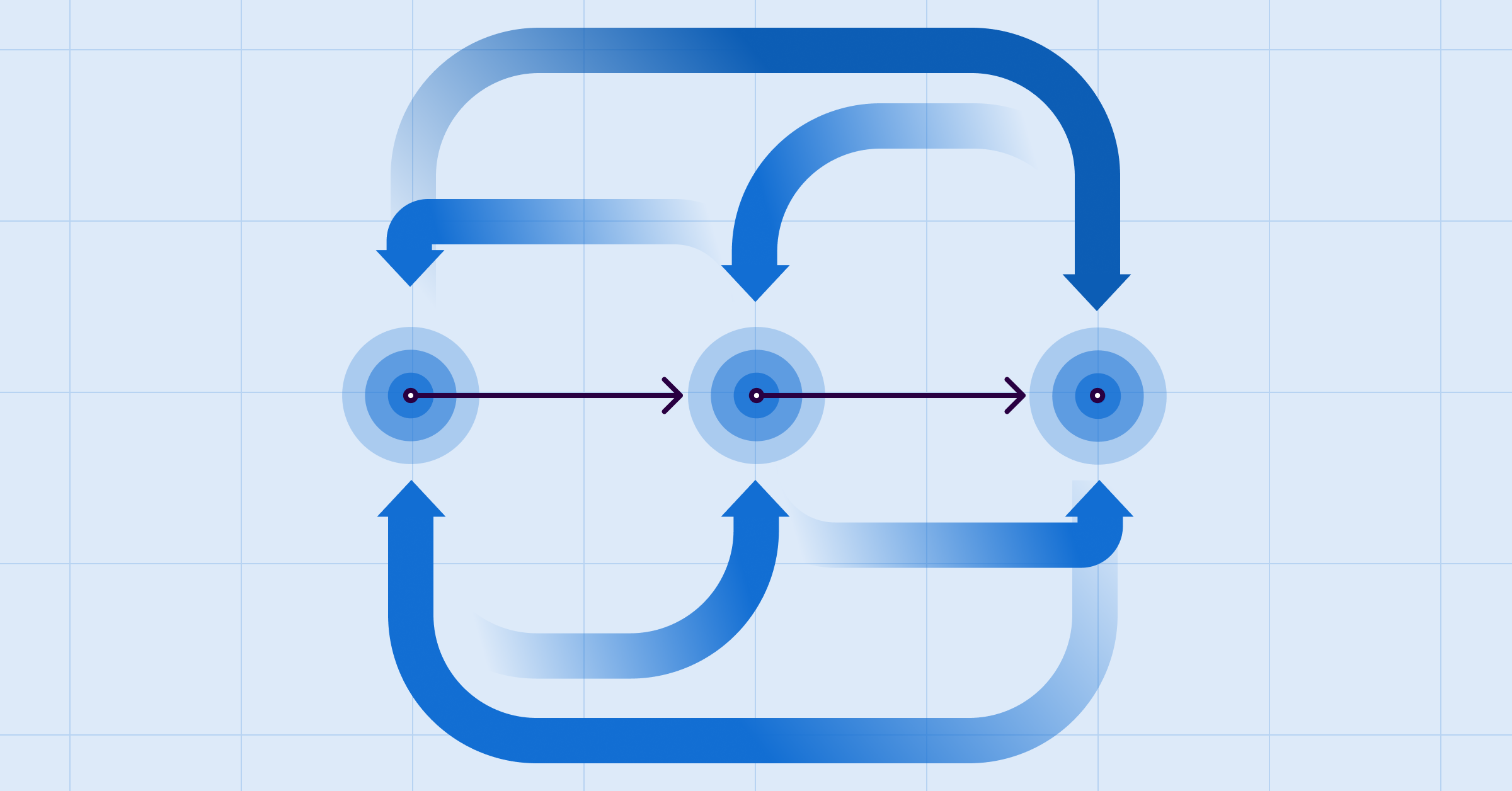
The architecture gap: Why your code becomes hard to change
Stop the "silent killer" of engineering velocity. Learn what architectural drift is, why those quick code shortcuts lead to massive technical debt, and how to bridge the gap between your whiteboard designs and your actual codebase.
Read article >

Code generation tradeoffs: A comparison of Claude Opus 4.5 and 4.6
We recently ran a small experiment to see how Claude Opus 4.5 and the newer Opus 4.6 handled a specific backend task. The goal wasn't to see which one was necessarily better, but to understand the differences in their coding styles.
Read article >

The intelligence paradox: Why Claude Opus 4.6 requires verification
Read on for an exhaustive comparison of the technical architectures of Claude Opus 4.5 and 4.6, an evaluation of their performance across industry-standard benchmarks, and an outline of Sonar’s focus on embracing agentic development.
Read article >

How SonarQube minimizes false positives in code analysis below 5%
Read on to learn how SonarQube’s static code analysis engine works under the hood and the specific strategies that help it deliver accurate results.
Read article >
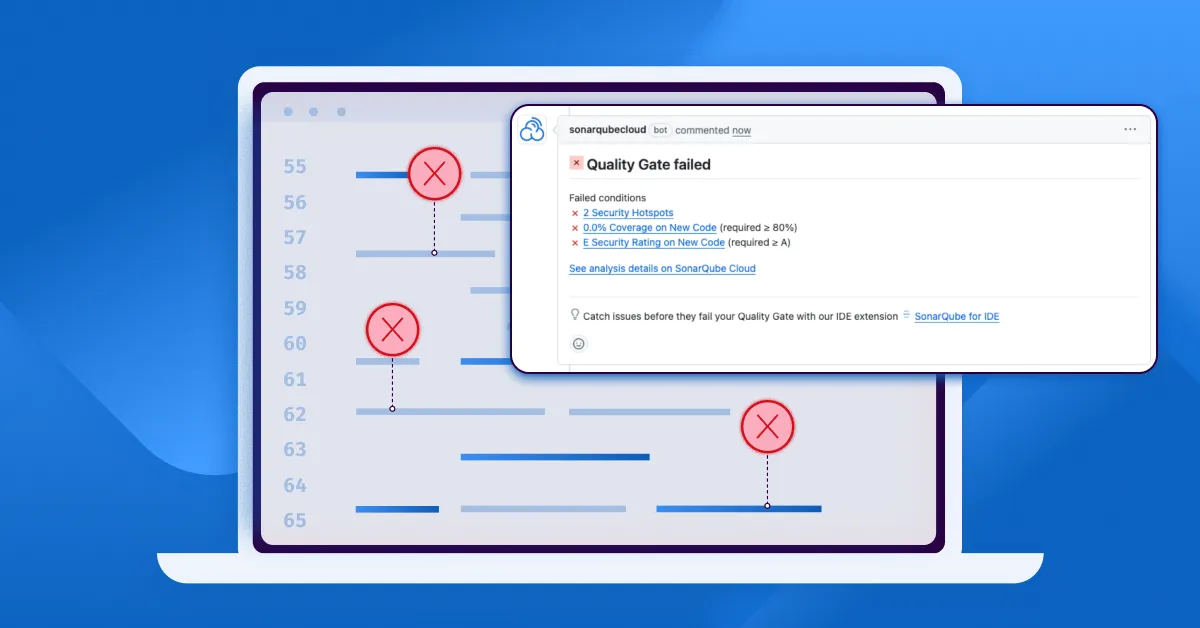
Automating quality gate success with Claude Opus 4.6 and SonarQube MCP
We’ve all been there: you push a feature branch on a Friday afternoon, convinced it is solid. You switch to the next task, only to get a notification twenty minutes later: quality gate failed.
Read article >